
Pellet Smoker Maintenance: Cleaning, Auger Care, and Off-Season Storage
sidespelletMay 1, 2026

Pellet Smoker Maintenance: Cleaning, Auger Care, and Off-Season Storage

A comprehensive maintenance guide for pellet smoker owners covering routine cleaning procedures, auger inspection and troubleshooting, grease trap management, temperature sensor care, and winterization steps to maximize

Regular maintenance prevents costly repairs and ensures your pellet smoker delivers consistent results year after year.

Pit temp

250 to 275 F

Total time

120 minutes

Active time

90 minutes

Serves

6 to 8

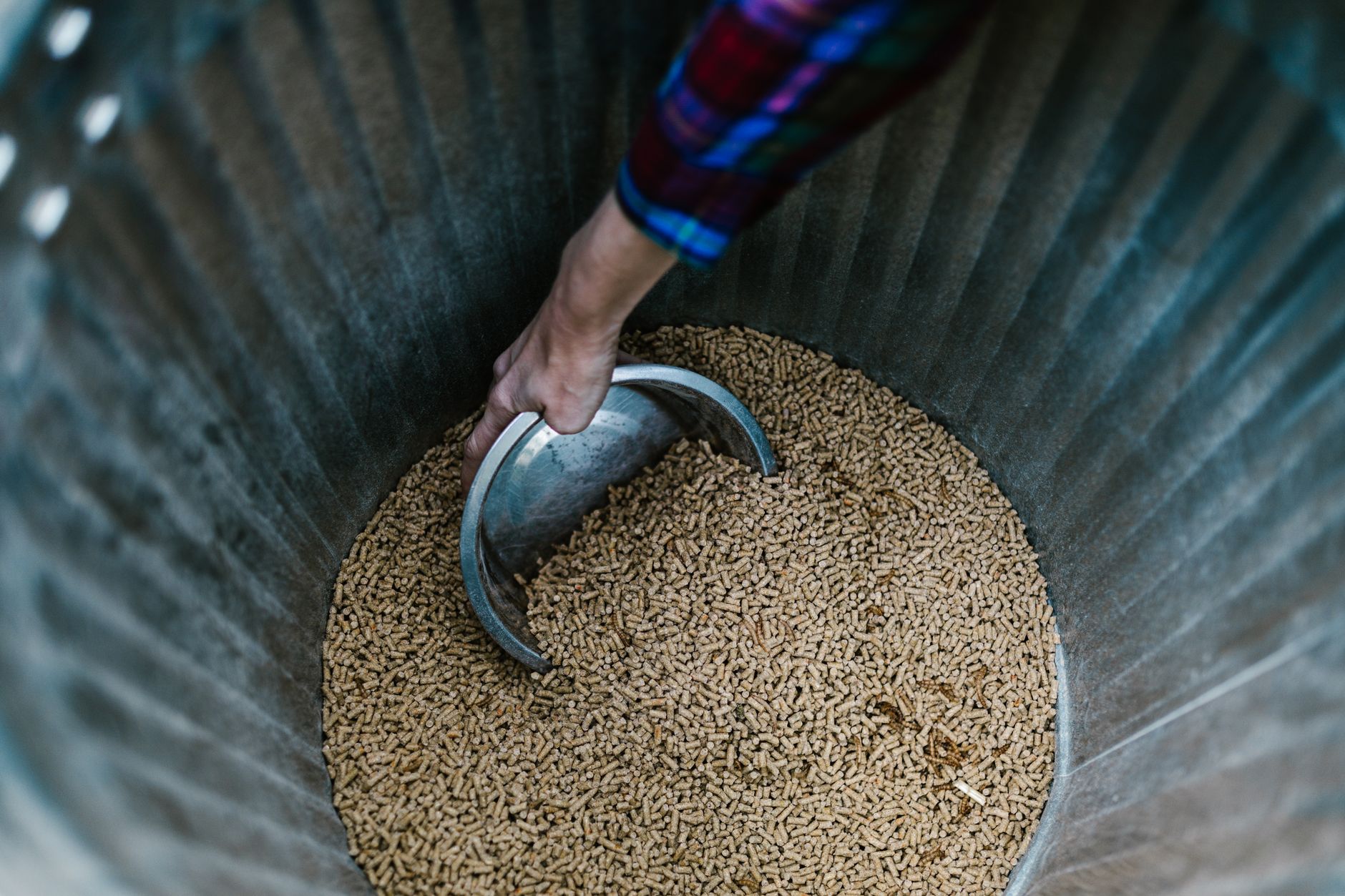
Close-up of a hand using a bowl to scoop animal feed from a metal bin.
Close-up of a hand using a bowl to scoop animal feed from a metal bin.Photo by RDNE Stock project on Pexels6168 by 4112

Why it works

Pellet smokers rely on mechanical and electrical components working in harmony. Grease buildup restricts airflow and temperatures, auger jams prevent pellet delivery, temperature sensor drift compromises accuracy, and moisture during off-season storage corrodes internal components. Systematic cleaning addresses each failure point before problems develop, whi

This cook is built for intermediate pitmasters running a pellet setup, but the real win is that the method stays adaptable if your fire drifts or your timing gets crowded.

  1. Turn off the pellet smoker and unplug the power cord. Allow at least 30 minutes for the unit to cool completely. Verify the hopper is emptied or at least half-full to prevent auger strain. Remove the grill grates and any other removable components to access internal surfaces.
  2. Use a dry shop towel to wipe down the interior walls of the firebox, collecting loose ash. Use a wire brush to dislodge stubborn ash buildup from the heat deflector and sides. Vacuum the firebox floor with an ash-rated vacuum, working from back to front. Pay special attention to corners where ash accumulates. Repeat with a fresh towel until minimal ash remains.
  3. Locate the grease trap or drip pan beneath the firebox. Remove it carefully and dispose of accumulated grease. Wipe the interior with a degreaser-soaked cloth. If buildup is heavy, soak the tray in warm soapy water for 15 minutes before scrubbing with a brush. Rinse thoroughly and dry completely before reinstalling. Clean grease traps prevent temperature fluctuations and fire hazards.
  4. Locate the temperature probe or RTD sensor (typically near the cooking grate area). Using a damp cloth, gently wipe the sensor tip and shaft to remove ash and grease. Do not use abrasive materials. Ensure the sensor connection is secure at the back of the unit. If the sensor shows visible corrosion or cracks, note it for replacement. A clean sensor ensures accurate temperature readings.
  5. Visually inspect the auger assembly through the hopper opening using a flashlight. Look for buildup, cracks, or bends in the auger screw. Manually turn the auger by hand (with the unit unplugged) to check for binding or resistance. If the auger feels stuck, try rotating it backward gently before attempting forward rotation again. Document any grinding sounds or irregular movement for potential replacement.
  6. Remove any remaining pellets from the hopper or transfer them to an airtight storage container. Use a pipe cleaner or thin brush to clear the hopper chute and the opening where pellets enter the auger tube. Ensure no bridging or compacted pellets remain. Wipe the interior hopper walls with a dry cloth. A clean feed system prevents jamming and ensures consistent pellet flow.
  7. Scrub the cooking grates with a wire brush to remove buildup and rust spots. Soak particularly dirty grates in a degreaser solution for 20 minutes if needed. Wipe the inside of the grill dome or lid, removing ash and condensation stains. Clean any thermometer or secondary probes. Dry all components thoroughly before reinstalling.
  8. Apply a food-safe silicone lubricant sparingly to the auger shaft bearings and any pivot points on the hopper or chimney damper. Do not over-lubricate, which can attract dust and ash. Use compressed air to blow out any dust from the fan housing and electrical connections. Lubrication reduces wear and prevents corrosion.

Pit notes

Schedule deep cleaning every 50 hours of use or monthly during active season. This prevents major buildup and identifies wear early.
Keep pellets in their original sealed bags until use. Once opened, store in airtight containers away from humidity to prevent moisture absorption that degrades combustion.
If the auger jams, do not force it. Turn the unit off, unplug it, and manually reverse-rotate the auger gently. Forcing can break the motor coupling.
Temperature swings of more than 5°F indicate a dirty sensor or temperature probe. Cleaning usually resolves the issue without replacement.
Replace the temperature sensor every 2-3 years or if it shows visible cracks, even if it appears to function. Failed sensors cause unsafe temperature variations.

FAQ

How often should I clean my pellet smoker?

For regular weekend cooking, aim for a thorough cleaning every 4-5 uses or monthly during active season. More frequent use (2-3 times per week) may require monthly cleaning. The auger tube and hopper chute should be checked every 8-10 cooks to catch pellet bui

Why is my pellet smoker not reaching temperature?

Check these items in order: (1) Is the hopper filled with fresh, dry pellets? Old or damp pellets burn poorly. (2) Is the temperature sensor clean and secure? Ash buildup causes false readings. (3) Is the firebox filled with ash? Excessive ash restricts air fl

Community feedback

Save it, rate it, or add a pit note

Signed-in readers can keep track of useful pages and leave quick notes that make the site fresher over time. If you are not signed in yet, the forms will send you through the magic-link flow first.

Average rating

No ratings

Ratings

0

Saves

0

Recent notes

0

Keep it handy

Save Pellet Smoker Maintenance: Cleaning, Auger Care, and Off-Season Storage to revisit it when you are shopping or planning the next cook.

No one has left a note yet. The first useful comment usually becomes the next person's shortcut.

Shop this cook

What you need for Pellet Smoker Maintenance: Cleaning, Auger Care, and Off-Season Storage

This page contains affiliate links. If you buy through them, Bark & Baste may earn a commission at no extra cost to you.

Related cooks

Stay in the same lane

Smoked Meatloaf with Crispy Bark and Bourbon Glaze
sidessmoker6 to 8 hours

Smoked Meatloaf with Crispy Bark and Bourbon Glaze

A backyard-friendly smoked meatloaf that develops a flavorful bark crust while staying tender inside, finished with a bourbon-honey glaze. Perfect for weeknight dinners or casual cookouts when you want smoker flavor with

Read the cook plan
Grilled Corn with Charred Herb Butter and Cotija Cheese
sidesgas20 minutes

Grilled Corn with Charred Herb Butter and Cotija Cheese

Sweet corn grilled over direct heat until kernels char and caramelize, then topped with charred herb butter infused with garlic and finished with crumbly cotija cheese and fresh lime. A crowd-pleasing side that works for

Read the cook plan
Cold Smoking Cheese and Butter: Techniques for Low-Temperature Backyard BBQ
sidessmoker4-8 hours plus curing and rest time

Cold Smoking Cheese and Butter: Techniques for Low-Temperature Backyard BBQ

A comprehensive guide to cold smoking soft cheeses, hard cheeses, and butter at home using offset smokers and tube smokers. This technique focuses on temperature management below 90°F, proper wood selection, curing prepa

Read the cook plan